
premium wordpress theme for portfolio, freelancer, design agencies and a wide range of other design institutions

  • 28238 Kelsie Lane Apt. 451,

    Port Annabelport

  • Call Us: (210) 451-123

    (Sat - Thursday)

  • Monday - Friday

    (10am - 05 pm)

Feyi comments(0) April 18, 2026

Beyond the Asphalt: Why Nigeria’s Sukuk Hype Needs to Move from Roads to Roofs

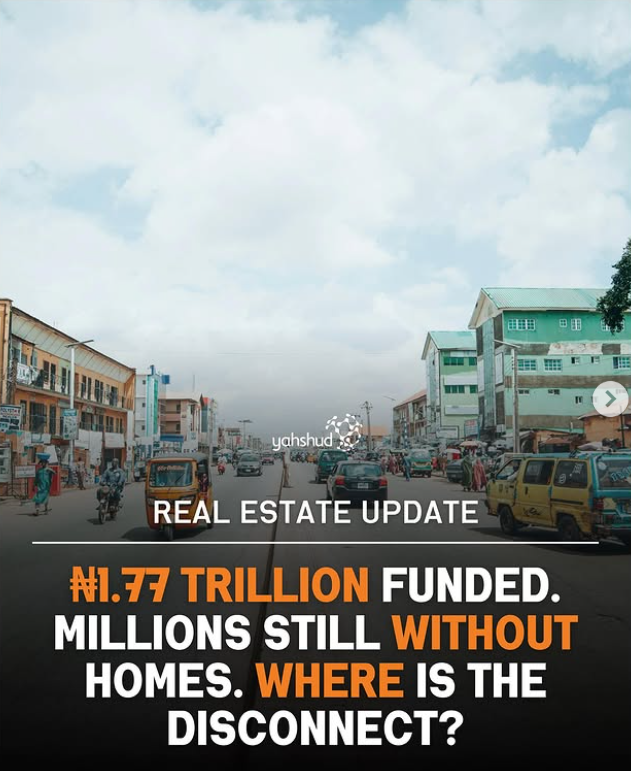
The N1.77 Trillion Road Trip

Nigeria’s hunger for Shariah-compliant paper has moved from the fringes of Islamic piety to the center of the state’s balance sheet. As the NGX braces for the February listing of the N350 billion 19.75% 7-Year FGN Ijarah Sukuk to enhance tradability and provide liquidity for investors, the market is bracing for another wave of the “oversubscription hype” that has come to define the Nigerian Sukuk landscape. Between 2017 and 2021, the government successfully raked in N1.77 trillion from Sukuk issuances, consistently finding a bottomless well of liquidity among ethical investors.

Yet, there is a striking strategic irony at play. While these funds have successfully paved thousands of kilometers of highways across the six geopolitical zones, Nigeria continues to suffocate under a staggering, persistent housing deficit. We have mastered the art of funding the journey; it is time we used these sophisticated instruments to build the destination. The massive success of past issuances proves that the liquidity exists; the challenge now is to pivot from infrastructure for transit to infrastructure for life.

The 306% Reality Check: Is Road-Only Sukuk Sustainable?

The current concentration of Sovereign Sukuk in road infrastructure is hitting a fiscal crossroads. According to GTI Research and the Debt Management Office (DMO), the amount paid on rentals for Sukuk bonds skyrocketed from N8.17 billion in Q1 2022 to N33.13 billion by Q2 2022—a staggering 305.51% (roughly 306%) jump in debt servicing in just three months.

This volatility highlights the lumpy, unpredictable fiscal pressure inherent in the current “rent-a-road” model. The DMO disclosure reveals that while only one payment was required in Q1 2022 (on March 26), the schedule forced three separate rental payments in Q2 (June 16, 28, and 29). This creates a fiscal bottleneck where the government must find massive cash reserves for non-revenue-generating assets.

The problem? Roads are “non-excludable” public goods. Because the government cannot easily charge direct tolls to cover these ballooning rental payments, the Sukuk becomes a drain on the domestic debt service report rather than a self-sustaining asset.

“Living” Assets are the New Global Resilient Play

To fix this, Nigeria must look to the “safe-yield anchors” of mature markets. The PwC 2026 Emerging Trends in Real Estate report highlights that institutional investors are “doubling down” on the “living” sectors—multifamily housing, rental residential, and student housing—because of their “perceived resilience” amidst global volatility.

In the Asia-Pacific region, for instance, Japan has become the darling of cross-border capital specifically because of its institutionalized multifamily residential market. Nigeria can mirror this trend. By using Sukuk to fund high-density, income-generating residential projects, the government can move beyond the “lumpy” debt of roads and create a “beds-to-yield” pipeline. In a nation where demand for shelter is a demographic necessity, housing represents the ultimate resilient asset class for pension funds seeking stable, long-term returns.

Aligning with Maqasid al-Shari’ah (The Social Soul of Finance)

Islamic finance is not merely about avoiding interest; it is about the Maqasid al-Shari’ah—the ethical objectives of preserving wealth (Mal) and ensuring social welfare. While roads provide “usufruct” (the right to use an asset), housing provides “shelter,” a far more direct fulfillment of Shariah’s social soul.

Critically, housing offers “excludable usufruct.” Unlike a public road, a residential unit has a tenant who pays direct rent. This creates a self-sustaining revenue loop that fulfills the Maqasid objective of wealth preservation better than the current debt-servicing model. Furthermore, the ethical oversight inherent in Sukuk provides a measurable boost to governance.

The Corporate Sukuk Scalpel vs. The Sovereign Sledgehammer

While Sovereign Sukuk acts as a “sledgehammer” for massive national projects, corporate issuances function like a precision “scalpel.”

The success of the “Family Home Funds” corporate Sukuk serves as the essential “proof of concept” for Nigeria. Corporate Sukuk allows for project-specific agility, enabling specialized funds to build urban developments without the bureaucratic weight of sovereign bonds. By shifting more issuance power toward targeted corporate entities, Nigeria can move from “predictable” government promises to asset-backed realities that actually put keys in the hands of citizens.

The Forward-Looking Summary

The transition from “infrastructure Sukuk” to “social-impact Sukuk” is the logical next step for Nigeria’s ethical finance evolution. By shifting our focus from asphalt to “all kinds of beds,” we can align the deep hunger for ethical investment with the desperate demographic need for affordable shelter.

“If our investments have the power to pave thousands of kilometers of road, why are we still letting millions of Nigerians sleep without a roof? It is time to stop funding the commute and start building the home”.
Tags:
Share:
Feyi

guest
0 Comments
Oldest
Newest Most Voted
Inline Feedbacks
View all comments

© Fladient WordPress Theme. All Rights Reserved